
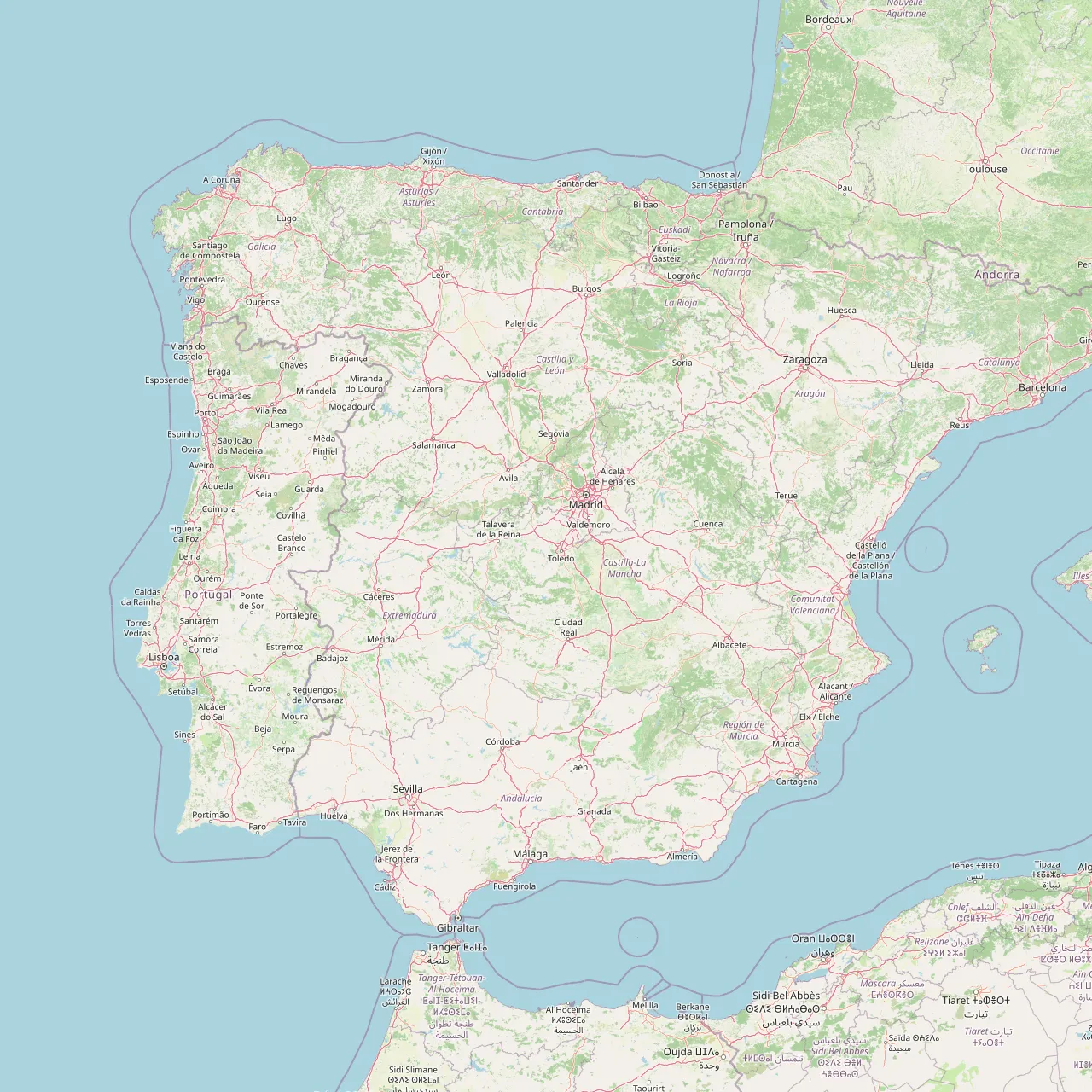
When travelers picture a Spanish escape, they often envision crowded Mediterranean resorts or anonymous city apartments. Yet scattered across the Iberian Peninsula lies an entirely different way to experience the country: staying inside a 10th-century medieval fortress perched on a sheer crag, sipping wine in a Renaissance cloister, or sleeping within the ramparts of a royal estate. This is the network of Paradores de Turismo, Spain’s state-run chain of heritage hotels founded in 1928 under King Alfonso XIII.
Today, the collection encompasses 98 properties across mainland Spain, the Canary Islands, and the Balearic archipelago. Unlike conventional corporate chains, Paradores operates with an explicit conservation mandate: taking architectural treasures that would otherwise fall into ruin and restoring them into living, breathing cultural sanctuaries. As someone who has spent years roaming from the mist-wrapped valleys of Galicia down to the sun-baked sierras of Andalusia, I wrote this comprehensive spain paradores guide to help you cut through the marketing noise, navigate booking quirks, and plan an unforgettable journey through the finest historic hotels spain has to offer.
What Exactly Is a Parador?
The Spanish word parador translates literally to an inn or stopping place, stemming from the verb parar (to stop). However, in modern travel vernacular, it refers specifically to the state-owned company Paradores de Turismo de España. The initial mission conceived nearly a century ago was twofold: preserve Spain’s immense architectural heritage and stimulate tourism in rural, neglected corners of the kingdom.
While roughly half of the network consists of restored historical monuments—castles, convents, palaces, and fortresses—the other half consists of custom-built properties positioned in dramatic natural parks, remote mountain passes, or coastal cliffs. In every location, the overarching philosophy remains consistent: regional gastronomy cooked with local ingredients, generous room layouts, and unhurried hospitality steeped in local tradition.
Castles, Monasteries, or Panoramas: Choosing Your Stay
First-time visitors often assume every Parador is an intimidating stone citadel with drawbridges and suits of armor. In reality, the network breaks down into three distinct architectural categories. Depending on your mood and travel companions, your ideal match might differ drastically. If you are torn between fortresses and sacred grounds, our guide on castles, palaces, or monasteries explores the trade-offs in detail.
Medieval Fortresses and Citadel Keeps
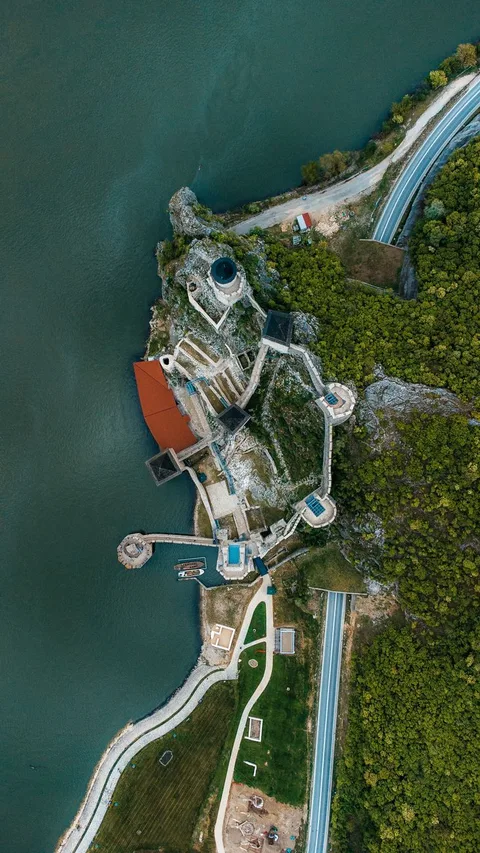
If your childhood dream was to stay in a castle spain delivers like nowhere else. These properties place you atop ancient defensive strongholds built during the Reconquista or feudal wars. Thick masonry walls keep summer temperatures remarkably cool, arrow-slit windows frame endless horizons, and courtyard battlements provide private stargazing after day-trippers depart. Legendary examples include the 9th-century fortress at Cardona in Catalonia and the clifftop fortress of Santa Catalina in Jaén.
Monasteries and Holy Convents
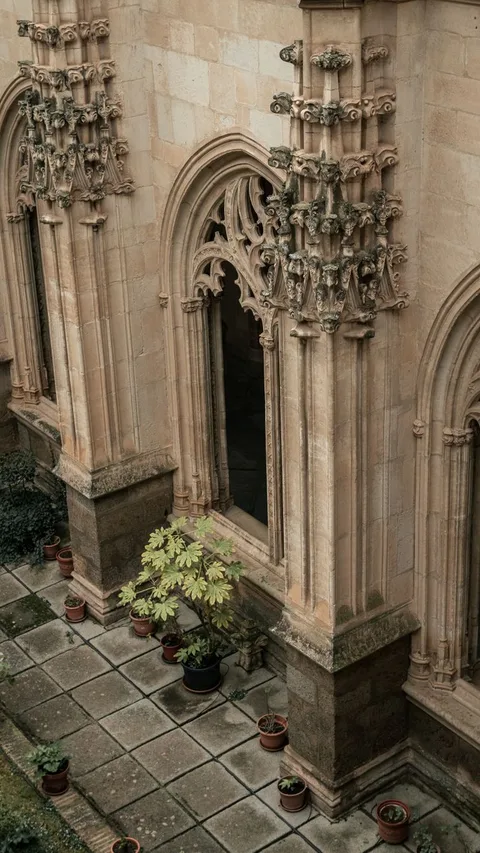
Monastic retreats offer contemplative courtyards, Romanesque arcades, and silent cloistered gardens perfumed by orange blossoms and boxwood hedges. These monastery hotels spain protects allow you to dine beneath vaulted Gothic ceilings and read in ancient scriptoriums. The Parador de Cuenca, suspended over the Huécar gorge in a 16th-century Dominican monastery, and the Benedictine powerhouse of Santo Estevo in Galicia’s Ribeira Sacra rank among the crown jewels of European heritage lodging.
Dramatic Viewpoints and Nature Reserves
Not every remarkable Parador is centuries old. The network also pioneered regionalist architecture in scenic natural wonders. These purpose-built hotels feature expansive balconies, panoramic outdoor terraces, and sweeping swimming pools framing geological marvels. Ronda’s clifftop retreat sits right on the precipice of El Tajo gorge, while the Parador de Toledo rests on the opposing hill across the Tagus River, giving you the exact panoramic silhouette painted by El Greco.
How to Plan Parador-Hopping Across Spain
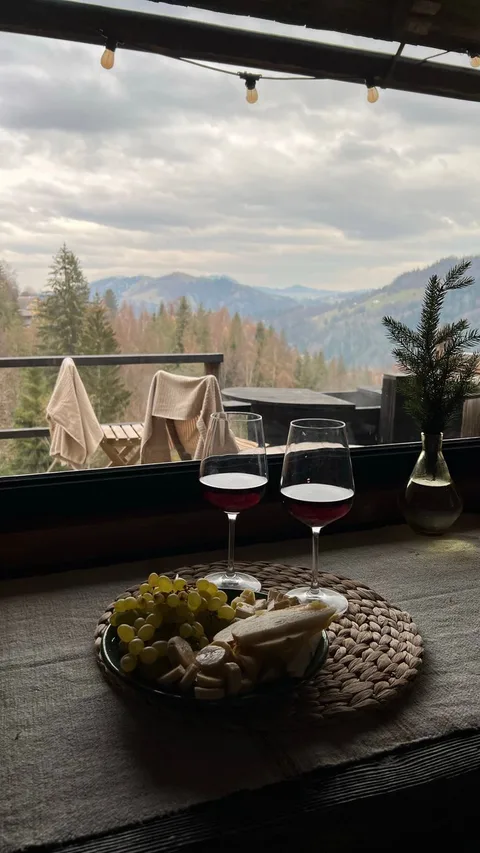
The true magic of Paradores unfolds when you connect them into a road trip. Rather than packing and unpacking between disconnected generic hotels, booking sequential nights through curated paradores routes turns transit days into effortless historical discoveries. A typical driving leg between properties spans two to three hours, leaving ample afternoon hours to explore regional sights, take an aperitif on the terrace, and indulge in a leisurely multi-course dinner.
Popular 5 to 7-Day Driving Circuits
- The Andalusian Frontier: Seville to Carmona, Ronda, Antequera, Jaén, and culminating right beside the Alhambra with a stay booked through our Parador de Granada guide. This route weaves Moorish watchtowers with Renaissance olive country.
- Castilian Fortresses & Meseta: Madrid out to Chinchón, Toledo, Alarcón, and Sigüenza. Ideal for travelers fascinated by medieval knighthood, Cervantes lore, and hearty roast suckling lamb.
- Galicia & Ribeira Sacra: Santiago de Compostela (Hostal dos Reis Católicos), Monforte de Lemos, and Santo Estevo. Deep green river canyons, Celtic stone masonry, and crisp Albariño and Mencía wines.
Tariffs, Tarjeta 5 Noches, and Amigos Perks
A common misconception is that spending the night in national monuments commands astronomical five-star luxury prices. In reality, standard double rooms in off-peak rural locations regularly start between €95 and €135 per night, while marquee properties (like Granada or Santiago de Compostela) reach €320 to €450 during peak autumn and spring dates.
To save money across extended journeys, learn the booking systems before committing your card details:
- Amigos de Paradores: The official loyalty program is completely free to join online. Joining gives you instant perks on your first stay: a free welcome drink in the café, free room upgrades when available upon arrival, and your first breakfast completely free on your inaugural reservation. Detailed operational steps are covered in our Amigos de Paradores loyalty guide.
- Tarjeta 5 Noches (5-Night Card): A seasonal prepaid voucher package that allows five nights of accommodation with breakfast for two people at a bundled flat rate (starting around €600–€650 depending on annual pricing). Keep in mind that premier locations charge fixed nightly supplements (€65 per room night in hot spots like Toledo or Ronda; €100 in Santiago), and Granada is strictly excluded due to year-round sellouts.
- Age-Based Promotions: Paradores maintains permanent discount tiers, notably the Días Dorados (Golden Days) promotion offering up to 30% off bed-and-breakfast rates for travelers aged 60 and over, as well as the Jóvenes rate for travelers between 18 and 30 years old on selected midweek stays.
Essential Insider Rules for First-Time Guests
Staying in an authentic Spanish monument requires a slight shift in expectations compared to a newly constructed glass-and-steel business hotel. Keep these real-world tips in mind:
- Historical Quirks vs. Modern Comforts: In genuine 12th-century castles, room sizes vary wildly within the same booking category. One standard room might feature a three-meter groin vault ceiling with thick stone walls, while the next room down the hall sits in a 1970s service extension. When booking, always add a note requesting the historic monument wing rather than modern auxiliary wings.
- Dining Half-Board: Parador dining rooms are destination restaurants in their own right, preserving heritage recipes like roast suckling pig in Segovia, partridge stew in Toledo, and wild boar stew in Cazorla. Selecting the half-board rate (breakfast plus a three-course dinner) during reservation usually saves 20% to 25% over ordering à la carte each evening.
- Parking and Car Logistics: Fortress hilltop locations mean navigating narrow medieval gates and pedestrian-only historic town cores. Always check arrival access beforehand; Paradores located in walled centers like Hondarribia or Carmona provide dedicated guest bollards or barrier codes upon notification.
At-a-Glance Comparison: Top Iconic Paradores
| Parador Property | Region | Monument Type | Century | Atmosphere Highlight |
|---|---|---|---|---|
| Cardona | Catalonia | Castle Fortress | 9th–11th | Pillared Romanesque minster & fortified hilltop tower |
| Jaén (Santa Catalina) | Andalusia | Medieval Castle | 13th | Cross-vaulted dining hall 800 meters over olive seas |
| Cuenca | Castile-La Mancha | Convento San Pablo | 16th | Glass-enclosed bridge views directly facing Hanging Houses |
| Granada | Andalusia | Franciscan Convent | 15th | Inside Alhambra walls; burial site of Catholic Monarchs |
| Santo Estevo | Galicia | Benedictine Monastery | 10th | Three preserved cloisters nestled in Sil Canyon forests |
| Toledo | Castile-La Mancha | Regionalist Manor | 20th | Unrivaled terrace sunsets overlooking cathedral towers |
| Ronda | Andalusia | Former Town Hall | 18th | Balconies balanced on the edge of the 120-meter Tajo gorge |
| León (San Marcos) | Castile & León | Monastery & Hospital | 16th | Masterpiece Plateresque facade & museum-grade cloister |